


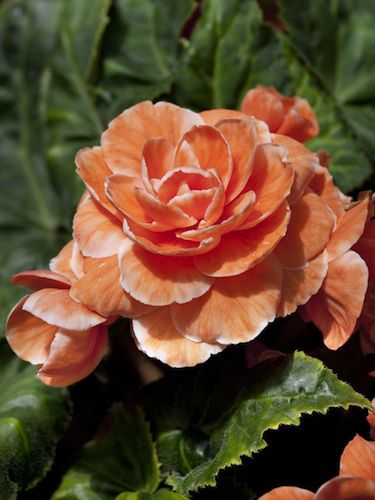
Begonia Double Orange (Pack of 5)
Estimated shipping dates: Spring 2027
- Dispatched in the planting window, February to May.
- Top-size, quality bulbs, carefully sourced and dispatched from our family-run nursery in Cheshire.
- Growing guarantee. If it fails to perform in its first season, tell us and we will put it right.
- Height
- 30-40cm / 12-16"
- Aspect
- Full Sun / Partial Shade
- Hardiness
- Tender - H2 (1° to 5°)
- Scented
- No
- Pollinator
- No
- Border position
- Front
Planting and flowering
- Jan
- Feb
- Mar
- Apr
- May
- Jun
- Jul
- Aug
- Sep
- Oct
- Nov
- Dec
- Height
- 30-40cm / 12-16"
- Aspect
- Full Sun / Partial Shade
- Hardiness
- Tender - H2 (1° to 5°)
- Scented
- No
- Pollinator
- No
- Border position
- Front
Planting and flowering
- Jan
- Feb
- Mar
- Apr
- May
- Jun
- Jul
- Aug
- Sep
- Oct
- Nov
- Dec
About Begonia Double Orange (Pack of 5)
Double Orange Begonias are a fiery, eye-catching addition to any garden, bringing a burst of warm colour to pots, containers, and borders. Their vivid orange blooms glow beautifully in sunlight and brighten even the shadiest corners of your garden. Plant them in a decorative pot to give them the spotlight they deserve, making them the perfect focal point.
These premium, oversized tubers produce impressively large double flowers that can reach up to 15cm (6in) wide. Each bloom is packed with layers of ruffled petals, creating a full, luxurious appearance.
Low-maintenance and long-flowering, Double Orange Begonias are ideal for adding dramatic colour and impact to your outdoor space with minimal effort. Perfect for gardeners of all levels.
Full specification
- Genus
- Double Begonia
- Colours
- Orange
- Planting period
- Spring (Feb to May)
- Height Range
- Medium
- Height
- 30-40cm / 12-16"
- Border position
- Front
- Aspect
- Full Sun / Partial Shade
- Soil Type
- Loam, Sandy, Multipurpose Compost
- Bulb Size
- 8cm - Top Size!
- Hardiness
- Tender - H2 (1° to 5°)
- Suitable for containers
- Yes
- Scented
- No
- Double Flowered
- Yes
- Pruning
- Yes - deadhead to promote growth
- Pollinator
- No
- Toxicity
- No report
- Estimated shipping dates
- Spring 2027
- Delivery period
- Spring (Feb to May 2027)
Planting
How to plant Begonias
- Begonia Tubers are ideal for containers, pots or tubs. They can also be transplanted to the garden beds.
- Plant in the spring for summer flowering.
Planting In Pots
- Plant your tubers in the Spring. Starting them off indoors in the early spring months whilst there is still a risk of frost.
- Use a multi-purpose compost in full sun / partial shade.
- Ensure you have drainage holes in your pots and add grit to encourage free draining.
- We advise planting 3 x tubers into an average-sized container.
- Position the Begonia tubers just below the compost surface with the 'hole' of the tuber facing up, cover with 2-3cm (1") of compost.
- Space your tubers about 8-10cm (3-4") apart depending on your pot size.
Planting In the Garden
- After the last frosts (usually March/April), you can plant your Begonia tubers outside in a well-drained soil in a sunny position.
- Unlike other garden bulbs with a pointy tip, Begonia tubers have a hollow hole in the centre of them, plant them with this hole pointing upwards.
- Plant your Begonias shallowly, covering them with just 2-3cm (1") of soil. Space your tubers about 25cm (10") apart.
Care
How to care for Begonias
- Feed and water Begonia plants frequently throughout the growing season. Take care not to over water.
- Feed your Begonias with a high-potash fertiliser like a tomato feed.
- Deadhead faded flower heads regularly, this will encourage new growth for longer.
- Once the Begonia flowering season has finished, the stems and foliage will turn yellow and die back naturally.
- Reduce watering to prevent rotting.
- Once all the stems have fallen off naturally, dig out the tubers, clean and dry them before storing them away in peat or sand in a dry, frost-free area like a garage or shed.
- Replant the following Spring.
Be the first to share your thoughts on this variety.
Frequently asked
general test
Send it over and one of our growers will reply — usually the same day.