How to Plant Your Lily Bulbs
Planting in the Garden
- Find a location with full sun or partial shade with well-drained soil.
- Ensure the soil is well dug and free draining.
- Plant the bulbs with 10-15cm (4-6″) of soil above them.
- Plant the bulbs 12-20cm (5-8″) apart.
- Plant with the pointy end of the bulb up.
Planting in Pots/Containers
- Find a location with full sun or partial shade.
- We suggest planting 5 bulbs in a 15 litre pot (15″ in diameter).
- Space bulbs about 12cm (5″) apart in a group.
- Use a multipurpose compost with added grit for drainage.
- Plant the bulbs with 10-15cm (4-6″) of soil above them.
- Plant with the pointy end of the bulb up.
Overwintering
- When the Lily has finished flowering, cut any seed heads back and allow the foliage to die back naturally. Do not be tempted to cut the stem back until stems become hollow and brown.
- Believe it or not, lilies like a cold-dormant phase and like to be left where they are during winter, just ensure there is adequate drainage so they can’t get waterlogged. Lilies are very hardy and can tolerate up to -20°c.
- Many people have lilies for a cut flower garden, if you do wish to cut lilies for indoor arrangements, then ensure to leave 50cm of stem to allow for another season of flower the following year.
Care Guide
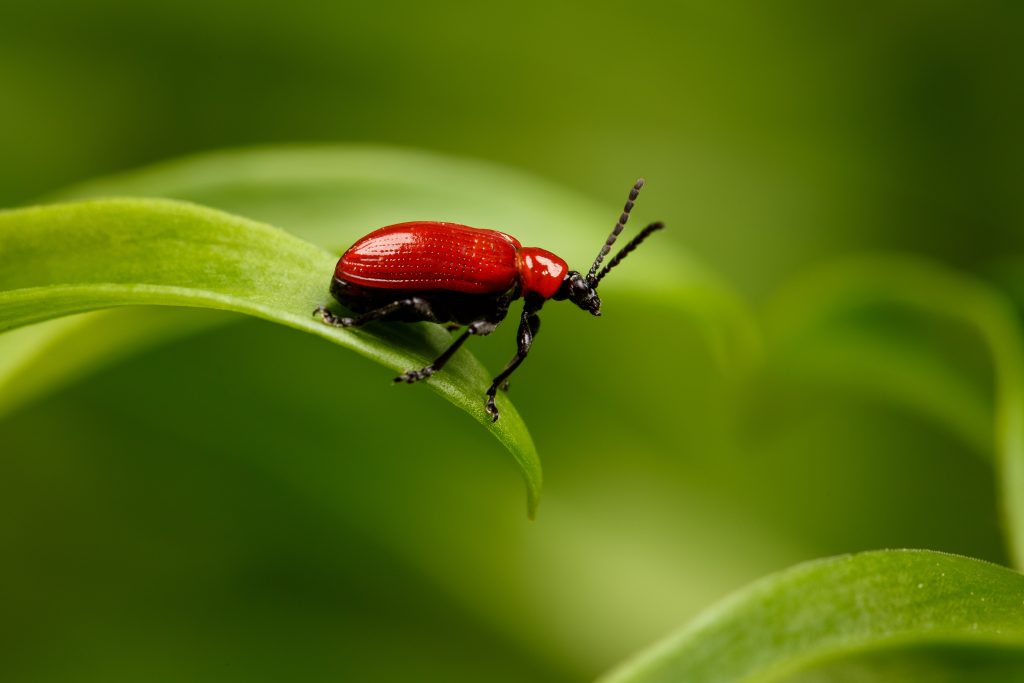
- To prevent Lily Beetles from damaging your lilies, we recommend using the Lily Beetle Prevention Spray or you can make up your own with the Concentrate. This Spray (Grazers G4) will also stimulate growth of your lilies.
- You can feed your lilies with a diluted Tomato Feed to stimulate and strengthen your lilies when you start to see signs of growth. Make up your tomato feed with half the recommended dilution (written on the instructions on the bottle) and feed once every 3 weeks.
How to choose your lilies
With their stunning colours and elegant shapes, lilies are a garden favourite for good reason. Whether you love bold and vibrant blooms or soft pastels; towering stems or compact varieties; fragrant or unscented flowers—there’s a lily for everyone.
I’m often asked, “How do I choose the right lily?” Here’s where I always begin:
Where are you thinking of planting your lilies?
Start by thinking about where you’d like to grow your lilies—in pots or directly in the garden?
- In pots or containers: You can choose any type of lily. Different lilies prefer different soils, but with pots, you can easily tailor the compost mix. A high-quality, peat-free, multi-purpose compost with added drainage (like perlite or grit) works well for most.
- In borders: You’ll need to consider your soil type (more on that below).
Scented of unscented lilies?
Next, ask yourself: Do you want fragrance, or are you focused on vibrant colour?
- Unscented Asiatic Lilies are perfect for bold, eye-catching displays. They come in bright yellows, oranges, reds, and striking two-tones.
- Scented Oriental Lilies and Roselilies fill the garden with their heady perfume and come in soft pinks, whites, and even yellows.
Tall or short lilies?
Lilies come in all sizes—from compact to towering.
- Pot or Dwarf Lilies are great for small spaces and containers, available in both Asiatic and Oriental types.
- For a show-stopping display, try Tree Lilies (Oriental Trumpets), which can reach up to an incredible 7 feet tall!
Do you know your soil type?
If you’re planting in garden borders, your soil pH matters:
- Asiatic lilies prefer alkaline to neutral soils.
- Oriental lilies thrive in acidic soils.
But whatever your soil, the golden rule is good drainage. Lily bulbs must never sit in soggy soil—this leads to rot.
not sure of your soil type?
Stick with pots or choose versatile hybrid varieties like:
These hybrids are both stunning and adaptable, thriving in any well-drained soil.
Lily FAQs
Do I need to feed my lilies?
Yes, feeding helps boost growth and flowering:
- Use a slow-release fertiliser at planting.
- Alternatively, use a half-strength tomato feed during the growing season.
- Our Lily Beetle Prevention Spray also promotes healthy growth while protecting your plants.
How do I get rid of lily beetles?
Be vigilant! Check your plants daily, especially in spring and early summer.
- Use our Lily Beetle Prevention Spray to help prevent and control infestations.
- Squash any beetles or larvae you spot by hand if necessary.
Do lilies multiply?
Yes, lilies will multiply naturally over time.
- In containers, they may become pot-bound after 2–3 years.
- At that point, lift the bulbs, gently separate any small bulblets, and replant them.
- Bulblets may take a couple of years to flower.
Are lilies poisonous to cats and dogs?
Yes—lilies are toxic to pets if ingested. Pollen is especially harmful to cats.
- Keep lilies out of reach of pets and small children.
- To reduce risk, remove the stamens as the flower opens.
- Consider pollen-free varieties, such as Roselilies and Double Orientals.
Should I lift lily bulbs in winter?
Lilies benefit from a cold dormant phase and can be left in the ground over winter.
- In borders, ensure the soil drains well.
- In pots, you can tilt the container on its side to prevent waterlogging.
- If you’re worried, lift bulbs and store them in slightly moist peat or compost until spring.