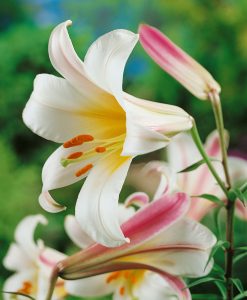
Can I plant lily bulbs in only John Innes No. 3

This question was asked by
Jan – 

I have planted the bulbs in a pot but have used only John Innes No. 3 Compost, should I have mixed it with multi purpose compost?

We recommend mixing John Innes No.3 with multipurpose compost as it gives lilies the best of both worlds: the John Innes provides nutrients and long-term structure, while the multipurpose compost improves drainage and keeps the mix lighter. This combination helps prevent bulb rot and supports healthy growth, especially in pots.

Mixing John Innes No.3 with multipurpose compost for growing lilies is a common and beneficial practice. Here’s why:

1. Balanced Structure & Drainage

    • John Innes No.3 is loam-based and heavy, which gives stability and nutrients but can be too dense on its own.

    • Multipurpose compost lightens the mix, improving drainage and aeration, which is essential for lily bulbs that hate sitting in wet soil (they can rot easily).

2. Nutrient Retention + Boost

    • John Innes No.3 has a higher nutrient content, ideal for mature or flowering plants like lilies.

    • Multipurpose compost complements it by being lighter and often contains added slow-release nutrients for a steady supply.

3. Moisture Control

    • The blend holds enough moisture without becoming soggy — perfect for lilies which like moist, well-drained conditions.

4. Long-Term Structure

    • Lilies are often grown in pots or containers. John Innes maintains its structure over time better than multipurpose compost alone, which can degrade or compact.

Typical Mix Ratio:

    • 50:50 John Innes No.3 to multipurpose compost works well, or even 2:1 in favour of John Innes if more stability is needed.

Do lilies come back year after year?

This question was asked by
Anna – 

Hiya, just a quick question, are these lilies repeating year after year after they planted in a pot? Thanks

Yes — lilies are perennials, which means they do come back year after year, if planted and cared for properly. Here are a few things to keep in mind to help them return strong each season:

What helps lilies return:

  • Well-drained soil – Lilies hate soggy feet! Good drainage keeps the bulbs from rotting over winter.

  • Sunlight – Most lilies love full sun (at least 6 hours a day).

  • Leave the foliage – After flowering, let the leaves die back naturally. This helps the bulb store energy for next year.

What might stop them coming back:

  • Waterlogged soil

  • Cutting back too early

  • Pests like lily beetles (keep an eye out!)

Many customers find that their lilies get even better each year. So with a little love, you’ll have a returning showstopper in your garden!

To keep them healthy and thriving long-term, we recommend lifting and dividing your lily bulbs every 3–4 years. This helps to:

  • Prevent overcrowding

  • Refresh the soil around them

  • Encourage better flowering

Simply lift the bulbs in autumn after the foliage has died back, gently separate any clumps, and replant them for even more gorgeous blooms next season!

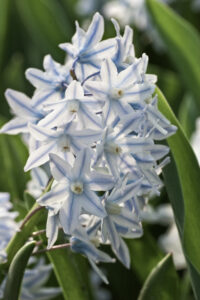
Blue Russian snowdrops have turned white this year

This question was asked by
Mrs. WILLS – 

Can I add anything to the soil to my Russian Snowdrops to bring the colour back to blue?


Hi there Elizabeth,

Here’s some insights into why your Russian Snowdrops may have lost their colour and how you can help them:

Here’s what to consider:

Environmental Factors:
Sunlight, soil conditions, and temperature can all affect the intensity of the blue stripe.

Plant Maturity:
The vibrancy of the flowers may decrease as the bulbs mature.

Overcrowding:
Overcrowded bulbs may lack the necessary resources to produce intense colour.

Here are some steps you can take:

Ensure Proper Care:
Plant the bulbs in well-drained soil and ensure they receive adequate sunlight or partial shade.

Don’t Overcrowd:
Space the bulbs adequately to allow for proper growth.

Consider a New Location:
If the current location isn’t ideal, move the bulbs to a spot with better conditions.

Be Patient:
Allow the plants time to establish themselves and mature, as the blue stripes may return in future years.

Other things to keep in mind:

Bulb Health:
Ensure the bulbs are healthy and free from diseases or pests.

After Bloom Care:
Allow the foliage to die back naturally after the flowers fade to provide nutrients for the bulbs for the next year’s bloom.
I hope this helps you understand and address the fading blue stripes in your flowers. If you have any further questions or need additional assistance, please don’t hesitate to ask.

Russian Snowdrops

The Hart Family

What compost to use for Ginger Lily

This question was asked by
Simon

I’ve just ordered a ginger lily from you what is the best compost to use please?

Hi Simon,

Any good quality multipurpose compost is fine for potting your Ginger Lily in.

You can find further planting advice below:

Hedychium gardnerianum rhizomes can be started off indoors in pots (a greenhouse or conservatory is ideal), they can then be planted out when risk of frost has passed. Alternatively, you can plant them straight outside directly into the ground from around late May.

Planting Hedychium Gardnerianum in pots

  • Plant your rhizomes/tubers so that the rhizome is horizontal (on its side) with any visible shoots pointing upwards and is only half covered with soil.
  • Use a large pot, layering pot with shards or clay pellets on the bottom for drainage and weight.
  • Add fresh potting compost and place the roots of the rhizome in the soil – if there are no roots visible the rhizome will soon begin to form them.
  • Water immediately after planting and ensure you keep your rhizomes well watered while they are getting started.
  • When transplanting Hedychiums which have been potted up and grown on earlier in the season, dig a hole in the soil in a sunny, sheltered position and plant the entire rootball.

Planting Hedychium Gardnerianum in the garden

  • Find a good location with plenty of sun and drainage.
  • Planting half the Rhizome proud of the ground level so that the rhizome is horizontal (on its side) with any visible shoots pointing upwards and is only half covered with soil.
  • Ensure you keep your rhizomes well watered.
  • When transplanting Hedychiums which have been potted up and grown on earlier in the season, dig a hole in the soil in a sunny, sheltered position and plant the entire rootball.
Hedychium Gardnerianum

Hedychium Gardnerianum

The Hart Family

Scadoxus Multiflorus Blood Lily

This question was asked by
Louise B

Hi,
My friend, Martyn, recently passed away. I wanted to get the family this plant Haemanthus Multiflorus Tratt Martyn Blood Lily Flower as I think it is referred to as ‘Martyn’ plant. I’ve been googling and it appears you may sell them, the seed/bulb? I’d like to buy 4 lots if you do sell them. Thanks
Louise

Hi Louise

I’m so sorry for your loss. That sounds like a lovely idea to order the plant in his memory. We do sell Scadoxus Multiflorus (formerly known as Haemanthus Multiflorus) and you can pre-order them now for delivery in March.

Click here to preorder:  Scadoxus Multiflorus (Pack of 3 Bulbs) (SKU17705)

Scadoxus Multiflorus

The Hart Family

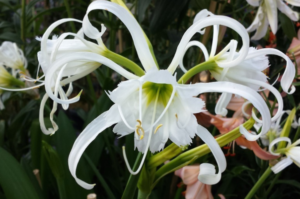
Order for Hymenocallis Festalis ‘Ismene’

This question was asked by
George S – 

Hi

Ordered this on 09/12/24,  just wondering where my order of Hymenocallis Festalis ‘Ismene’ is?
Regards George

Hi there,
All spring planted bulb orders are dispatched in February/March when they need planting. We will endeavour to get them to you as soon as possible so please look out for your dispatch email which you will receive once your parcel has left the nursery.

Hymenocallis Festalis ‘Ismene’

The Hart Family

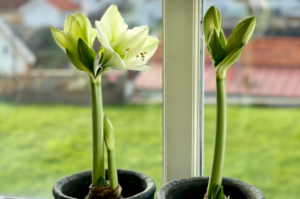
Care of Amaryllis

This question was asked by
Eddie Thomas

I bought an Amaryllis bulb from you at your stand at the Cheshire Showground which has now flowered and was absolutely magnificent. I would like to try and keep the bulb and would be grateful for your advice as to how to keep it after flowering

Hello there,
Here are some helpful tips on how to care for your amaryllis once it has finished flowering.

How to care for Amaryllis

    • After the your Amaryllis has finished flowering, cut the flower head off and leave the stem and foliage to die back naturally.
    • Once the stem turn yellow and sagging, it can all be removed.
    • Lift and store the bulb in a cool dark place before replanting again in the Autumn.
    • Alternatively, you can pop your Amaryllis outside when the weather heats up for a 2nd flowering period.

Amaryllis

The Hart Family

How to ward off Squirrels eating bulbs

This question was asked by
C. Bromhead Jones

How to prevent squirrels from eating your bulbs?

Hi there,

Squirrels are a nuisance for your bulbs. Here’s some helpful tips to help prevent Squirrels from eating your bulbs:

    • Use netting or chicken wire: Cover your planting zone with chicken wire, hardware cloth, or netting. A planting basket protected by chicken wire and embedded in the soil can also be effective.
    • Apply a repellent: Opt for rodent or deer repellents that have strong odours to repel squirrels. Natural alternatives such as vinegar or Irish Spring soap may also work.
    • Mulch using gravel: Squirrels often struggle to dig through gravel, making it a viable deterrent.
    • Combine different bulb types: Planting your bulbs alongside others that squirrels find unappealing, or those with a potent aroma that can disguise the scent of the less favoured bulbs, can be beneficial. For instance, the robust scent of crown imperials (Fritillaria imperialis) can effectively mask other odours. Fritillaria


The Hart Family

When do you send out Lily bulbs

This question was asked by
Angela S

I would like to buy some Lilly bulbs from you and wondered when they will be available to grow in pots please? I am particularly interested in Casablanca, Regale and maybe some other ones.

Hi there,
All Lily bulb orders are dispatched in February/March when they need planting. You can pre-order them now to guarantee the varieties you would like.

Casa Blanca

Lily Casa Blanca

Lily Regale

The Hart Family