This question was asked by
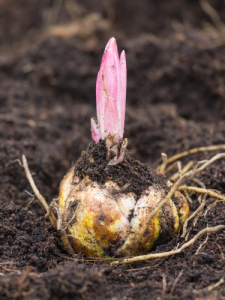
I have planted the bulbs in a pot but have used only John Innes No. 3 Compost, should I have mixed it with multi purpose compost?
We recommend mixing John Innes No.3 with multipurpose compost as it gives lilies the best of both worlds: the John Innes provides nutrients and long-term structure, while the multipurpose compost improves drainage and keeps the mix lighter. This combination helps prevent bulb rot and supports healthy growth, especially in pots.
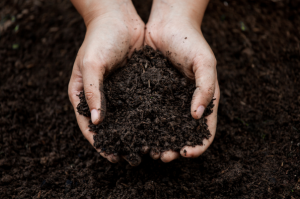
Mixing John Innes No.3 with multipurpose compost for growing lilies is a common and beneficial practice. Here’s why:
1. Balanced Structure & Drainage
-
-
John Innes No.3 is loam-based and heavy, which gives stability and nutrients but can be too dense on its own.
-
-
-
Multipurpose compost lightens the mix, improving drainage and aeration, which is essential for lily bulbs that hate sitting in wet soil (they can rot easily).
-
2. Nutrient Retention + Boost
-
-
John Innes No.3 has a higher nutrient content, ideal for mature or flowering plants like lilies.
-
-
-
Multipurpose compost complements it by being lighter and often contains added slow-release nutrients for a steady supply.
-
3. Moisture Control
-
-
The blend holds enough moisture without becoming soggy — perfect for lilies which like moist, well-drained conditions.
-
4. Long-Term Structure
-
-
Lilies are often grown in pots or containers. John Innes maintains its structure over time better than multipurpose compost alone, which can degrade or compact.
-
Typical Mix Ratio:
-
-
50:50 John Innes No.3 to multipurpose compost works well, or even 2:1 in favour of John Innes if more stability is needed.
-