Common Lily Issues & Viruses

What to Look Out For

At Harts Nursery, we’re passionate about growing the healthiest, most beautiful lilies. But even the most well-cared-for plants can sometimes run into problems. Understanding common issues—including viruses—is key to keeping your lilies thriving year after year.

General Lily Problems

1. Yellowing Leaves

This can be caused by:

  • Overwatering or poor drainage, leading to root rot.
  • Nutrient deficiency, especially nitrogen or iron.
  • Old foliage dying back naturally, especially after blooming.

Tip: Make sure your soil drains well and feed your lilies with a balanced fertiliser during the growing season.

2. Poor Flowering

  • This might be due to insufficient sunlight, overcrowding, or using old bulbs.
  • Lilies need a period of cold dormancy—storing them properly after flowering is essential.

3. Botrytis (Grey Mould)

  • A fungal disease that causes brown spots on leaves and flowers, often in damp conditions.
  • Ensure good air circulation and avoid wetting the foliage when watering.

Lily Viruses: What You Need to Know

While not extremely common, viral infections in lilies can be serious and are not curable. They are typically spread by pests such as aphids or through contaminated tools.

Lily Virus Symptoms

This composite image showcases various viral infections in lily leaves:

  • A: Cucumber Mosaic Virus (CMV)
  • B: Lily Mottle Virus (LMoV)
  • C: Lily Symptomless Virus (LSV)
  • D: Co-infection of LMoV and LSV
  • E: Triple infection of CMV, LMoV, and LSV

Common Lily Viruses

1. Lily Symptomless Virus (LSV)

  • As the name suggests, this virus often shows no visible symptoms.
  • Over time, it can weaken the plant and reduce flowering.

2. Tulip Breaking Virus (TBV)

  • Causes streaking or “breaking” in the colour of petals. While this can look pretty, it’s a sign of infection.
  • Can spread quickly to other plants.

3. Lily Mosaic Virus

  • Leaves may show yellow mottling or streaks.
  • Flowers can appear smaller or distorted.

Nutrient Deficiencies

  • Nitrogen Deficiency: Leads to yellowing of older leaves and poor growth.
  • Phosphorus Deficiency: Causes dark green or purplish older leaves and poor flowering.
  • Potassium Deficiency: Results in yellow or brown leaf margins and reduced flowering.

Prevention & Management

  • Inspect plants regularly for unusual markings or growth issues.
  • Remove and destroy infected plants—do not compost them.
  • Control aphids and other sap-sucking insects with insecticidal soap or organic treatments.
  • Use clean tools when dividing or cutting back plants.
  • Buy certified virus-free bulbs from trusted suppliers—like us at Harts Nursery!

 Final Thoughts

Lily viruses can be frustrating, but with careful monitoring and good garden hygiene, you can reduce the risk significantly. At Harts Nursery, we take every step to ensure our bulbs are healthy and virus-free before they reach you.

If you ever suspect a problem or need advice, don’t hesitate to reach out—we’re always happy to help keep your lilies in perfect health.


Harts Nursery Wins 20th Gold Medal at RHS Chelsea Flower Show 2025

We are absolutely overjoyed to announce that Harts Nursery has been awarded our 20th Gold Medal at this year’s RHS Chelsea Flower Show 2025! This incredible milestone marks two decades at the show of passion, dedication, and the highest standard of horticultural excellence—and we couldn’t be prouder.

A Golden Moment for Harts Nursery

Winning Gold once is an honour. Winning it twenty times at the RHS Chelsea Flower Show is a true celebration of consistency, craftsmanship, and love for what we do. At the heart of our success is one thing: our lilies. This year’s display once again placed these elegant, vibrant blooms centre stage—celebrating both their timeless beauty and the innovation we bring to every variety we grow.

A Team Effort

Behind every flower in our exhibit is a team of hard-working, passionate individuals who pour their hearts into everything they do. Our Gold Medal is a result of the care, creativity, and commitment from our dedicated team:

  • Patrick – the driving force behind the vision and design

  • Loraine – bringing her expertise and energy into every detail

  • Jonathan – the steady hand nurturing each bulb to bloom perfection

  • Gemma – making sure every plant and petal is show-ready

  • Victoria – connecting with customers and sharing our story with the world

We are so proud of what we’ve achieved together—and what a moment it was to share it as a team on the world’s biggest gardening stage.

A Display to Remember

Our 2025 exhibit celebrated the enduring charm and versatility of lilies. From bold, towering Orientals to delicate, scented Asiatics, we curated a display that inspired visitors with colour, fragrance, and form. Designed to spark joy and reconnect people with the beauty of nature, it was a true reflection of what we stand for at Harts Nursery.

Thank You for Your Support

To our loyal customers, fellow growers, and every visitor who stopped by our stand—we thank you from the bottom of our hearts. Your support, encouragement, and love for our lilies keep us going and growing.

As we celebrate our 20th Gold Medal from Chelsea, we’re not just looking back—we’re looking forward. The next chapter of Harts Nursery is already blooming, and we can’t wait to share it with you.

With love and lilies,
The Harts Nursery Team 🌸
Jonathan, Victoria, Loraine, Patrick & Gemma

Planting of lillies

This question was asked by
Bill W

We purchased from you at RHS Chelsea two Lily varieties- – Roselilies – Aisha & Angela.
When should these bulbs be planted, at what depth and the type of compost/soil?

We shall be most grateful if you will be good enough to answer these questions for us please.

Plant your bulbs straight away and they will flower this year still, usually in 10 to 12 weeks. They will be just a little later this year but return to their usual flowering cycle next year.

You should have received instructions in your bag, sorry if these were missed.

How to plant Roselilies

  • Roselily Bulbs should be planted as soon as possible. Ideally in the Spring but can be planted up until the Autumn.
  • Find a location with full sun or partial shade with well-drained soil.
  • Roselilies tend to grow exceptionally well in pots and tubs.
  • Plant the bulbs with 4-6″ of soil above them.

Planting Roselilies in the Garden

  • Find a location with full sun or partial shade with well-drained soil.
  • Roselilies prefer an Acidic/Ericaceous Soil type. They do not tolerate Lime very well.
  • Arrange the Lilies in an odd-number grouping.
  • Plant the bulbs about 12-20cm (5-8″) apart.
  • Space the groupings at least 60-90cm (2-3ft) apart.
  • Plant the bulbs with 10-15cm (4-6″) of soil above them.

Planting Roselilies in Pots

  • Find a location with full sun or partial shade with well-drained soil.
  • Plant 5 bulbs in a 15″ ‘patio type’ pot using good-quality, multi-purpose compost with added grit.
  • Plant the bulbs with 10-15″ (4-6″) of soil above them.
  • Ensure there is adequate drainage.

How to care for Roselilies

  • Roselilies can tolerate very cold conditions but they do not like to get wet.
  • If planting in borders in the garden, the soil must be well drained and, preferably, humus rich.
  • If planting in pots, make sure lilies are kept moist but do not get waterlogged.
  • Lilies prefer to be planted in a location with at least half a day’s full sunshine, if it’s a bit too shady they will lean their stems towards the sun.
  • Lily bulbs do not like to be dried out so they must be kept in soil at all times.
  • Try to plant your lilies where they will dry out after rain to prevent Botrytis, a fungus that spots the leaves. If you do see brown spots on your leaves, spray with a fungicide recommended for roses.
  • If planting in pots, it may be an idea to tilt the pots on their side in the winter to prevent waterlog.
  • When the Lily has finished flowering, cut any seed heads back and allow the foliage to die back naturally. Do not be tempted to cut the stem back until stems becomes hollow and brown.
  • Lilies like a cold dormant phase throughout the winter so they don’t need lifting. However, do ensure they have adequate drainage and do not get waterlogged as this will cause the bulbs to rot.
  • After a few years of flowering, you may find your Roselily produces less blooms, it may be time to lift your bulbs and divide them by breaking off the bulblets. All the bulbs will then need replanting.
  • To prevent Lily Beetles from damaging your lilies, we recommend using the Lily Beetle Prevention Spray or you can make up your own with the Concentrate. This Spray (Grazers G4) will also stimulate growth of your lilies.
  • You can feed your lilies with a Tomato Feed to stimulate and strengthen your lilies when you start to see signs of growth. Make up your tomato feed with half the recommended dilution (written on the instructions on the bottle) and feed once every 3 weeks.


The Hart Family

Do lilies come back each year?

This question was asked by
Roger W

Hello,
I’ve had some of the above in pots for a few years but recently the growth is very weak and the flowering poor so could it be they are past there best? I overwinter them in an unheated polytunnel and have fed then in the growing season but they are still looking a bit pathetic so any advice please. As an aside we bought some bulbs from you at Tatton last year and they are emerging again very strong so looking forward to them blooming again. many thanks Roger.

split lily bulbs

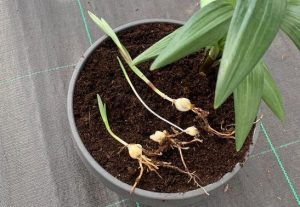
To keep your lilies healthy and thriving long-term, we recommend lifting and dividing your lily bulbs every 3–4 years. This helps to:

  • Prevent overcrowding
  • Refresh the soil around them
  • Encourage better flowering

Simply lift the bulbs in autumn after the foliage has died back, gently separate any clumps, and replant them for even more gorgeous blooms next season!

That said, they may just need replacing now depending on how long you have had them.

The Hart Family

Advice with my Alliums

This question was asked by
Alan J

My ALLIUM PLANT IS FLOWERING BUT ALL THE LEAVES ARE DROOPING. Please help…

It’s completely normal for allium foliage to start dying back before or as the flower begins to bloom. This can seem a bit strange, especially if you’re used to plants keeping lush green leaves during flowering.


In early spring, the foliage grows quickly to absorb sunlight and produce energy through photosynthesis. This energy is stored in the bulb to support the upcoming flower.

Once the bulb has enough stored energy, the plant shifts its focus to flowering, and the leaves are no longer needed. They naturally begin to yellow, wilt, and die back, even while the flower stem is rising and about to bloom.


What You Should Do:


    • Don’t remove the leaves too early — let them die back naturally so the bulb gets as much energy as possible.


    • Plant alliums among other plants (like hardy perennials or grasses) to hide the fading foliage and keep your garden looking tidy.


Letting the foliage complete its natural cycle ensures strong bulbs and beautiful flowers for the next year!

The Hart Family

Reusing lily bulbs that suffered badly with red lily beetle last year

This question was asked by
Dawn L

Pots were left to winter outside as they were infested with red lily beetle. Can I still take the bulbs out wash and air dry in greenhouse to reuse this year? Many thanks.

Yes, you can likely reuse the lily bulbs if they were only infested with red lily beetles and not other issues. First, thoroughly clean the bulbs by removing any visible debris and washing them gently under water. Then, allow them to air dry in a greenhouse or other protected, warm environment. Once dry, you can plant them as usual.

Tips for Preventing Future Infestations:

    • Inspect lilies early for red lily beetle larvae and adults during the growing season.

Reusing your bulbs after a beetle infestation is possible as long as you take these steps to ensure they’re clean and healthy. Hopefully, this will help you enjoy a beautiful lily display again this year!

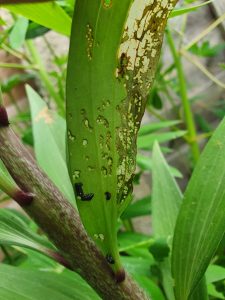
Lily Beetle Black mess

Damaged caused by Red Lily beetle

Red Scarlet lily Beetle on Plant. Lilioceris lilii

Lily ‘Lady Alice’

This question was asked by 
Dave M – 

Is this an asiatic lily?

No, Lily ‘Lady Alice’ is not an Asiatic Lily. It’s classified as a hybrid of Lilium henryi, a species lily, and is often referred to as a Turk’s Cap Lily. While some sources might mention it being part of the OT hybrid lilies (Oriental-Trumpet), it’s not specifically an Asiatic lily. 

Lilium Lady Alice

Soil requirements

This question was asked by
Barbara K – 

I have alkaline clay soil, what would be suitable to order and plant?

Hi there,
If you have alkaline clay soil, you’ll want to choose summer-flowering bulbs that are tolerant of less acidic, heavier soil. While some bulbs prefer slightly acidic conditions, there are plenty of summer bulbs that thrive in alkaline clay soil. Here are some great options for your garden:

Suitable Summer Flowering Bulbs for Alkaline Clay Soil:

  • Lilies (Lilium) – Many lilies, especially Asiatic and Oriental hybrids, will do well in alkaline soil. They need well-drained but moist soil, and they’ll grow beautifully in clay with added organic matter to improve drainage.

  • Gladiolus – These thrive in a variety of soil types, including alkaline and clay. Their bright, spiky blooms are perfect for adding drama and height to borders.

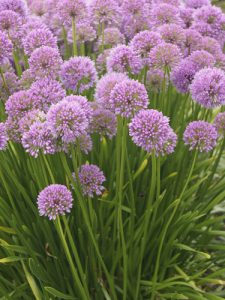
  • Alliums – Alliums (such as Giant Allium and Purple Sensation) are perfect for alkaline soils and will add striking, globe-shaped flower heads to your garden.

  • Dahlias – Dahlias are very adaptable and can grow well in clay soil if it’s enriched with organic matter. They thrive in alkaline conditions and will produce vibrant, large blooms throughout summer.

  • Canna Lilies – These tropical beauties love a rich, moist soil and will thrive in your alkaline clay soil with a bit of organic matter to improve drainage.

  • Crocosmia – Known for their bright orange or red flowers, Crocosmia (also called Montbretia) thrives in alkaline soils and will add a pop of colour to your garden.

  • Begonias – Tuberous begonias prefer slightly acidic to neutral soil but can grow well in alkaline soils with added organic matter. They are perfect for pots or hanging baskets.

  • Eucomis (Pineapple Lily) – These unique, tropical-looking plants are perfectly suited to alkaline soils and add a fun, vertical element to your garden.

Oriental Trumpet Lily Conca D’Or will be happy in any well-drained soil.

Tips for Improving Your Clay Soil:

  • Amend with organic matter like well-rotted manure, compost, or leaf mould to improve soil structure and drainage.

  • Consider adding grit or sand to increase the drainage for bulbs that need it.

  • Mulch around plants to help maintain moisture levels and keep the roots cool.

Soil for Ginger Lily

This question was asked by
Simon Roberts

I’ve just bought a ginger lily from you can you confirm which is the best compost to use

Thank you for your purchase! For your ginger lily (Hedychium), the best compost to use is:

A rich, moisture-retentive but free-draining mix, ideally:

  • John Innes No. 2 or No. 3 (for structure and nutrients)
    blended with

  • Multipurpose compost or loam-based compost (to retain moisture)
    and optionally

  • A little horticultural grit or perlite to improve drainage if you’re growing in pots.

Ginger lilies love moist but not soggy soil, and they thrive with good nutrition—hence the need for a nutrient-rich base. A sunny, sheltered position is ideal, especially if you’re growing them outdoors.

Ginger Lily

Alliums

This question was asked by
Sandra N – 

Good morning.
I have a corner of my garden that has poor drainage, it’s not boggy but heavy rain seems to sit below the surface and takes a while to drain.
I have been looking at an Alum Lily, as they stand proud, full, and upright this would fill the area. Can you tell me please, would the Alum be right for this part of my garden.
Thanks
Sandra Newson.
Leicester.

Hello there,

It’s great that you’re considering the right plant for your garden conditions.

If by “Alum Lily” you mean Allium (often mistakenly called Alum Lily), then unfortunately, it wouldn’t be the best choice for a poorly drained spot. Alliums—like most bulbs—require free-draining soil, especially in winter. If their bulbs sit in wet ground for too long, they are prone to rot.

If your heart is set on Alliums, you could improve the drainage in that area by:

  • Mounding the planting area or building a raised bed

  • Adding grit or sharp sand to the planting hole

  • Mixing in compost or well-rotted manure to improve structure

Our Alliums will be available from September onwards, you will be able to order them in the Summer months.
You can request to be notified when they are back in stock if you click on the variety you would like:

Alliums

Alliums