Lilies and the pesky beetles

This question was asked by
Julia Holden – 

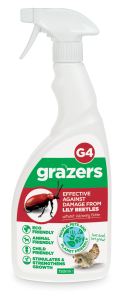
We have quite a large number of Lilies and are plagued by lily beetle. We’ve tried picking them off but it’s impossible to keep up with them all and they seem to overwinter in the soil. We’ve tried grazers and pro anti spray but with limited success. We’ve reached the pointed of giving up and removing the plants but don’t want to. Is there anything else we can do?
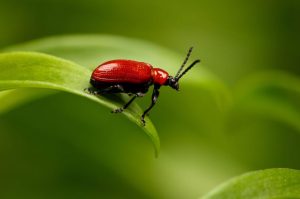
Lily beetle

Thank you for your message — we really feel for you. Dealing with lily beetles, especially in a large collection, can be incredibly frustrating. You’re not alone — many gardeners are facing the same battle right now, particularly after the mild winters which have helped these pests survive in greater numbers.

We completely understand why you’re feeling disheartened, but don’t give up just yet — there are still a few things you can try that may improve the situation:

1. Neem Oil Treatment:
If you haven’t already, we highly recommend trying Neem Oil. It’s an organic solution that acts as both a deterrent and an insect growth regulator, disrupting the beetles’ lifecycle. It’s safe to use even when your lilies are in bloom and can help reduce the population over time.

2. Early Season Prevention:
Next season, start applying a prevention spray (such as Grazers or a garlic-based spray) as soon as the lily shoots emerge. This is key — once the foliage absorbs the treatment early on, it can make the leaves taste bitter and discourage beetles from feeding or laying eggs.

3. Improve Winter Hygiene:
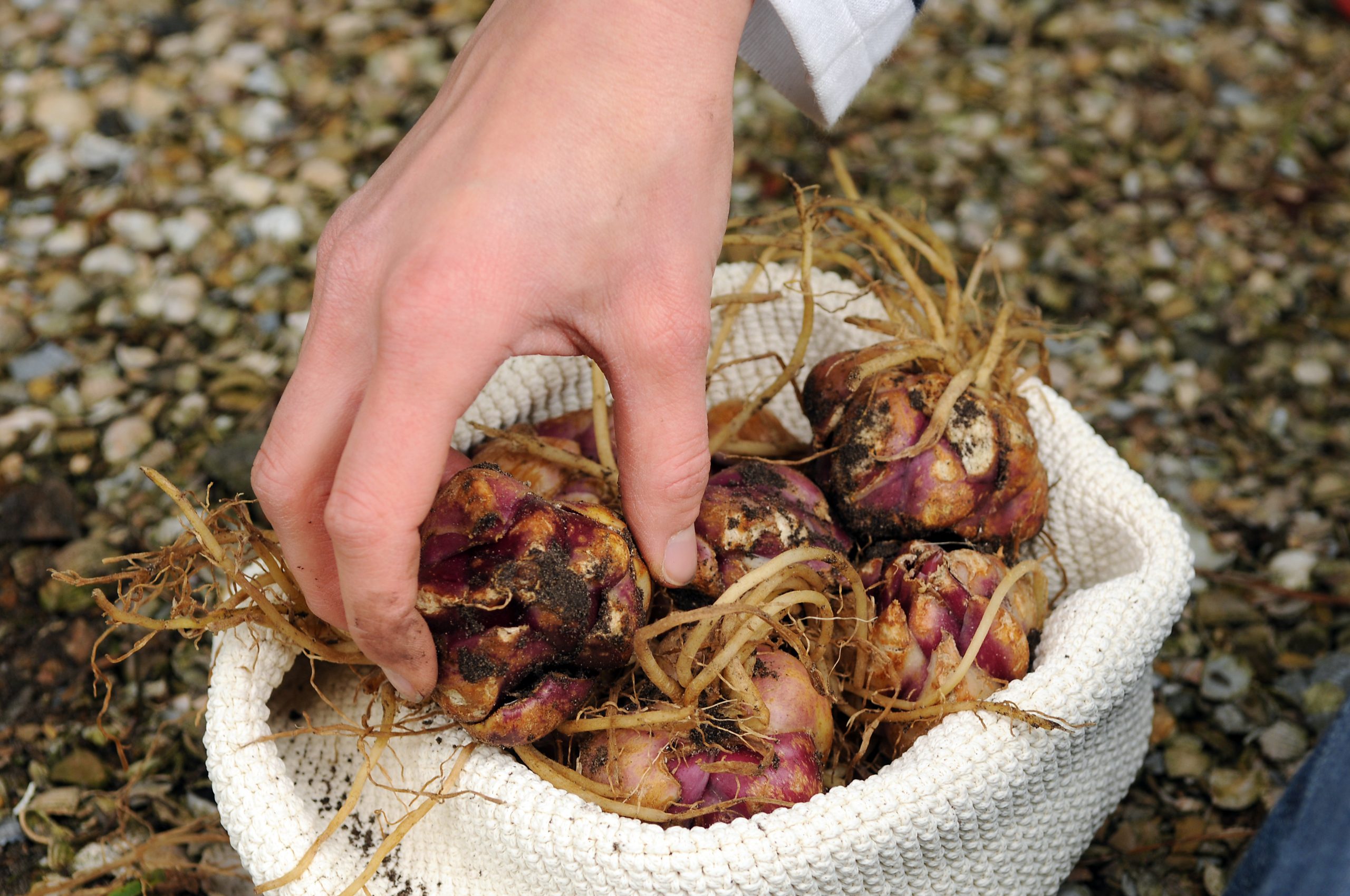
After flowering, make sure to clear away all old foliage and any mulch or soil where beetles could overwinter. You might also try lifting and inspecting the bulbs in autumn if the infestation has been especially severe.

4. Companion Planting:
Some gardeners find that planting strongly scented herbs or companion plants (such as garlic or mint) nearby can help mask the scent of the lilies and deter beetles.

5. Encourage Natural Predators:
Birds such as starlings, blackbirds and robins will feed on lily beetles and their larvae. Creating a bird-friendly environment can offer some natural control.

We know you’ve worked hard on your lilies, and it would be such a shame to lose them. With a more aggressive multi-step approach next season, it’s very possible to turn things around.

The Hart Family
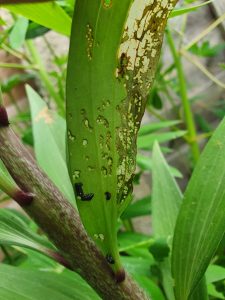
Lily beetles

This question was asked by
Linda Swales – 

I bought some large lily bulbs from you a couple of years ago at Harrogate flower show. They are fantastic!
Can you tell me how to control Lily Beetles, I must have “removed” over 30 of them this year. I have also the black eggs covered in their excrement.
Regards
Mrs Swales

Good afternoon,

Thank you so much for getting in touch — we’re delighted to hear your lilies from Harrogate are still going strong and looking fantastic!

Lily beetles are unfortunately a persistent nuisance for lily growers, and it sounds like you’ve done a great job already spotting and removing both the beetles and their rather unpleasant-looking larvae.

Here are our top tips for keeping them under control:

1. Early Prevention:
Start checking your lilies regularly from early spring as soon as growth appears — the earlier you catch the beetles, the better. Daily checks are ideal, especially in warm weather.

2. Physical Removal:
As you’ve already been doing, hand-picking the bright red adults and squashing or disposing of them is effective. Keep an eye on the undersides of leaves for the orangey-red eggs and remove those too.

3. Neem Oil Spray:
Neem oil is a natural, organic deterrent that interferes with the beetle’s feeding and breeding cycle. Spray it onto the foliage, paying special attention to leaf undersides. This can be especially helpful if your lilies are already blooming and you want to avoid chemicals.

4. Lily Beetle Prevention Spray:
We also recommend using a dedicated lily beetle prevention spray early in the season, ideally when the first shoots appear. Spraying early allows the solution to be absorbed into the plant, making the foliage taste bitter to beetles. Lily Beetle Prevention Spray (SKU17972)

5. Clean-Up After Flowering:
Once your lilies have finished blooming, remove any dead foliage and debris from around the base of the plant. This reduces overwintering spots for beetles and larvae.

Despite their best efforts, many gardeners have to repeat treatments every year — but with your vigilance, your lilies should continue to thrive!

The Hart Family

Reusing lily bulbs that suffered badly with red lily beetle last year

This question was asked by
Dawn L

Pots were left to winter outside as they were infested with red lily beetle. Can I still take the bulbs out wash and air dry in greenhouse to reuse this year? Many thanks.

Yes, you can likely reuse the lily bulbs if they were only infested with red lily beetles and not other issues. First, thoroughly clean the bulbs by removing any visible debris and washing them gently under water. Then, allow them to air dry in a greenhouse or other protected, warm environment. Once dry, you can plant them as usual.

Tips for Preventing Future Infestations:

    • Inspect lilies early for red lily beetle larvae and adults during the growing season.

Reusing your bulbs after a beetle infestation is possible as long as you take these steps to ensure they’re clean and healthy. Hopefully, this will help you enjoy a beautiful lily display again this year!

Lily Beetle Black mess

Damaged caused by Red Lily beetle

Red Scarlet lily Beetle on Plant. Lilioceris lilii

Red lily beetles

This question was asked by
Jane H

My poor martagon lillies were infested last year with red lily beetle. I picked them off every day, but still the came. Do you think sticky on the stem would help or do the fly in? Any suggestions please.

Hi there
They are a nuisance those beetles.
We have a lily beetle prevention spray and concentrate you can purchase to help combat the lily beetles.

Lily Beetle Prevention Concentrate (SKU179721)

Lily Beetle Prevention Spray (SKU17972)

Lily Beetle Prevention Spray £6.95

The Hart Family

What compost or mix of composts do I use for the lilies?

This question was asked by
Elizabeth B

I have just ordered some Oriental lily bulbs from you to grow in large clay pots. What is the best compost to use? Do I need to add sand as some sites advise? How do I prevent the dreaded Lily Beetle?? I can start them in a cold greenhouse.

Hi there,
You can mix John Innes No.3 with a good quality Multi-purpose compost (50:50 mix). Adding horticultural grit for drainage is recommended.

We have a Grazers G4 spray or concentrate you can purchase for the lily beetle.

Lily Beetle Prevention Concentrate (SKU179721)

Lily Beetle Prevention Spray (SKU17972)

Lily bulbs

The Hart Family

Red Lily Beetle

This question was asked by
Pearl T

Is there a way to prevent lily beetles, I pick them off but they are devastating them?

Hi Pearl

Lily Beetles are such a pain aren’t they? To get rid of them, you could try making a garlic solution (crushed garlic and water) or purchasing our lily beetle prevention spray.

Lily Beetle Prevention Spray (SKU17972)

The Hart Family

FAQ on growing lilies

Lilies

How do I plant my lily bulbs?

Lilies are very hardy bulbs. They can tolerate very cold conditions but do not like to get wet. If planting in borders the soil must be free draining and preferably humus rich. Some lilies prefer acid soil, mainly Oriental lilies, and some prefer alkaline mainly Asiatic lilies. It is best to check which soil you have. When planting in pots or tubs you must make sure that they are kept moist but do not get waterlogged. Plant bulbs with 4-6″ (10-15cm) of soil above them. If planting in pots, plant 3 in a 10-14″ (25-35cm) pot, in a good-quality, peat-free, multi-purpose compost. John Innes No.3 is ideal for Lilies also. If it appears too dense, add some horticultural grit to improve drainage.

Continue reading

Helpful tips on growing lilies

Planting your lilies couldn’t be easier once you have chosen the right soil for the variety.

Simply plant with the growing tip pointing upwards and the roots below and cover the top of the bulb with 4-6” (10-15cm) of soil. 

If planting in pots, plant 3 bulbs in a 10-14” (25-35cm) ‘patio type’ pot. You can plant more in a larger pot or less in a smaller pot. It really depends on the display you would like to achieve. You can also stagger the planting, using different lilies to achieve different heights.

Which lilies are best for your garden

Luscious Lilies for your garden pots or borders

Whether you’re a fan of scented or unscented; tall or short; subtle or bold colours, there’s a  lily for everyone. I often get asked how to choose a lily and I guess this is where I start…

Where are you thinking of planting your lilies?

Asiatic Lilies

Firstly, where would you like to grow your lilies? Pots or garden borders? If you’re planning on planting up your lily bulbs in pots for your patio (or making a pot feature around your garden), then the world is your oyster when it comes to lily choice. This is because different lilies like different soil types. Therefore, you can choose any lily and just mix up the right soil/compost for it. Lilies are generally happy in a good-quality, peat-free, multi-purpose compost. This leads me to the next question…

Lilium Majestic Joy

Continue reading